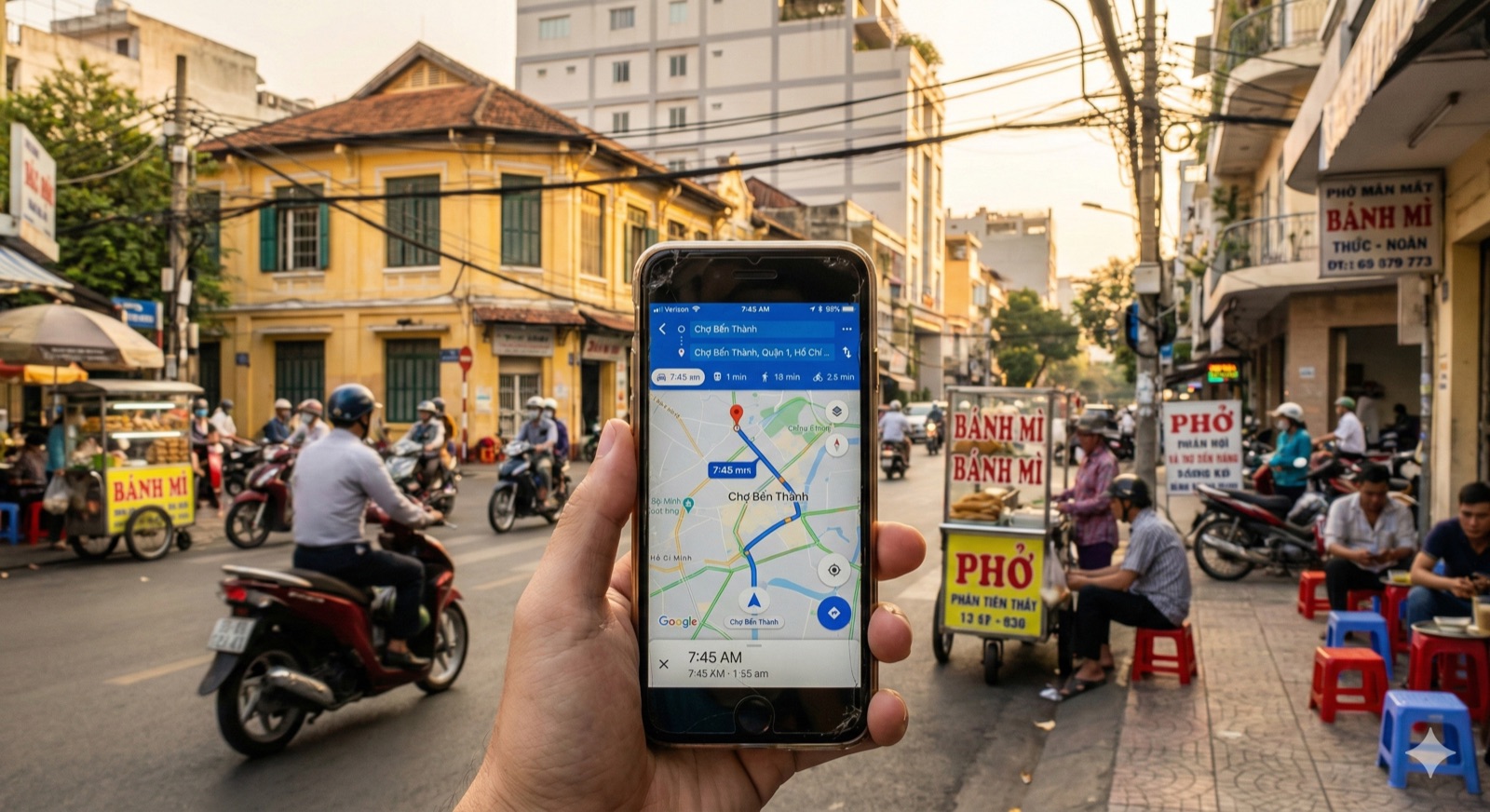
I am currently planning a high-stakes trip back to Vietnam. It is high-stakes because I am taking my mum back to her roots for the first time in almost a decade. Cities have changed, but the Vietnam of her memory lies underneath the new buildings.
We are not alone. In 2025, over 511,000 Australians travelled to Vietnam, which marked a 17 per cent surge in visitation from 2024. It is now one of our fastest-growing travel partners for good reason. My aunt is accompanying us, unlike my mum, who was in Saigon just last year. She is our guide.
As a "Tech Diplomat," my professional instinct was to de-risk this trip with data. I generated an AI itinerary. It was optimised for safety, logistics, and hygiene. I was anticipating the rollout of Vietnam's national "Visit Vietnam" Super App.
I showed the list of activities and restaurant recommendations to my aunt. I expected her to be in agreement. Instead, she squinted at the screen and pulled a face. It was not a look of confusion. It was the sceptical grimace of someone who knows the difference between a "tourist trap" and the real thing.
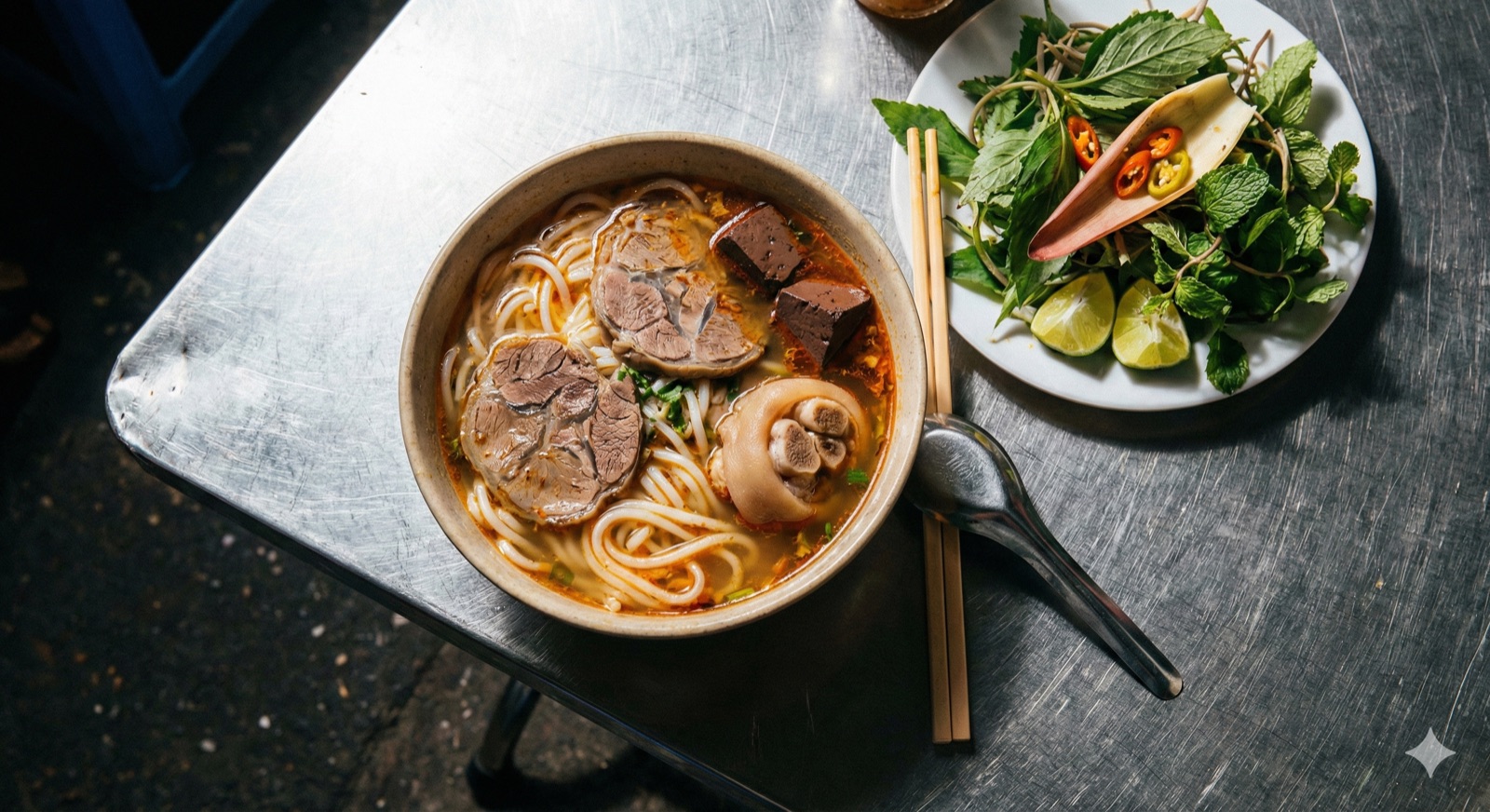
"Minh," she said. She tapped a location the algorithm had ignored. "I remember this place I went to last year for breakfast last year. It is closer. It is cheaper. The bún bò huế broth is better. We can decide on the day."
That facial expression captured the central tension of the emerging Digital Economy.
Vietnam is currently building a 'digital backbone' to integrate the physical world with the digital state. We refer to this as Digital Public Infrastructure (DPI). It is a growing global phenomenon where governments build the 'rails' for the economy. These rails include identity, payments, and data exchange. They streamline how citizens and tourists engage with the country.
The "Visit Vietnam" app aims to be the official digital consulate for the half-a-million Australians landing in Ho Chi Minh City and Hanoi. Its goal is to create a "Trust Architecture". This allows visitors to verify visas, book licensed transport, and access emergency services in a single, government-backed ecosystem.
For a first-time traveller, this is a game-changer. It promises to scrub away the friction of scams, currency confusion, and unlicensed operators.
But my aunt's scepticism raises a fundamental question. Can you optimise the experience in a country without removing its soul?
Transactional Trust vs. Relational Trust
When we open Google Maps or a Super App like Grab, we operate on "Transactional Trust". We trust the aggregate data, the star rating, and the SEO ranking. We trust that the system has verified the vendor.
But when I look at my aunt, I am operating on "Relational Trust". She holds a dataset no Large Language Model can pull from. It is built on growing up in the alleyways. It is built on the friend-of-a-friend network that defines Vietnamese culture.
The late Anthony Bourdain understood this distinction perfectly. He did not go to Vietnam for the 5-star safety rating. He famously said that he only needed a low plastic stool, a plastic table and something delicious in a bowl for happiness.
He understood that the magic of Vietnam is not in the efficiency. It is in the serendipity. It is in the organised chaos of the traffic and the conversations you stumble, saying hi to a food vendor.
The Super App as Trusted Advisor
So, is the Super App useless? Absolutely not. In fact, for the modern and new traveller, it is vital. But its role needs to be redefined.
I do not want the "Visit Vietnam" app to be my tour guide. I want it to be my Trusted Advisor.
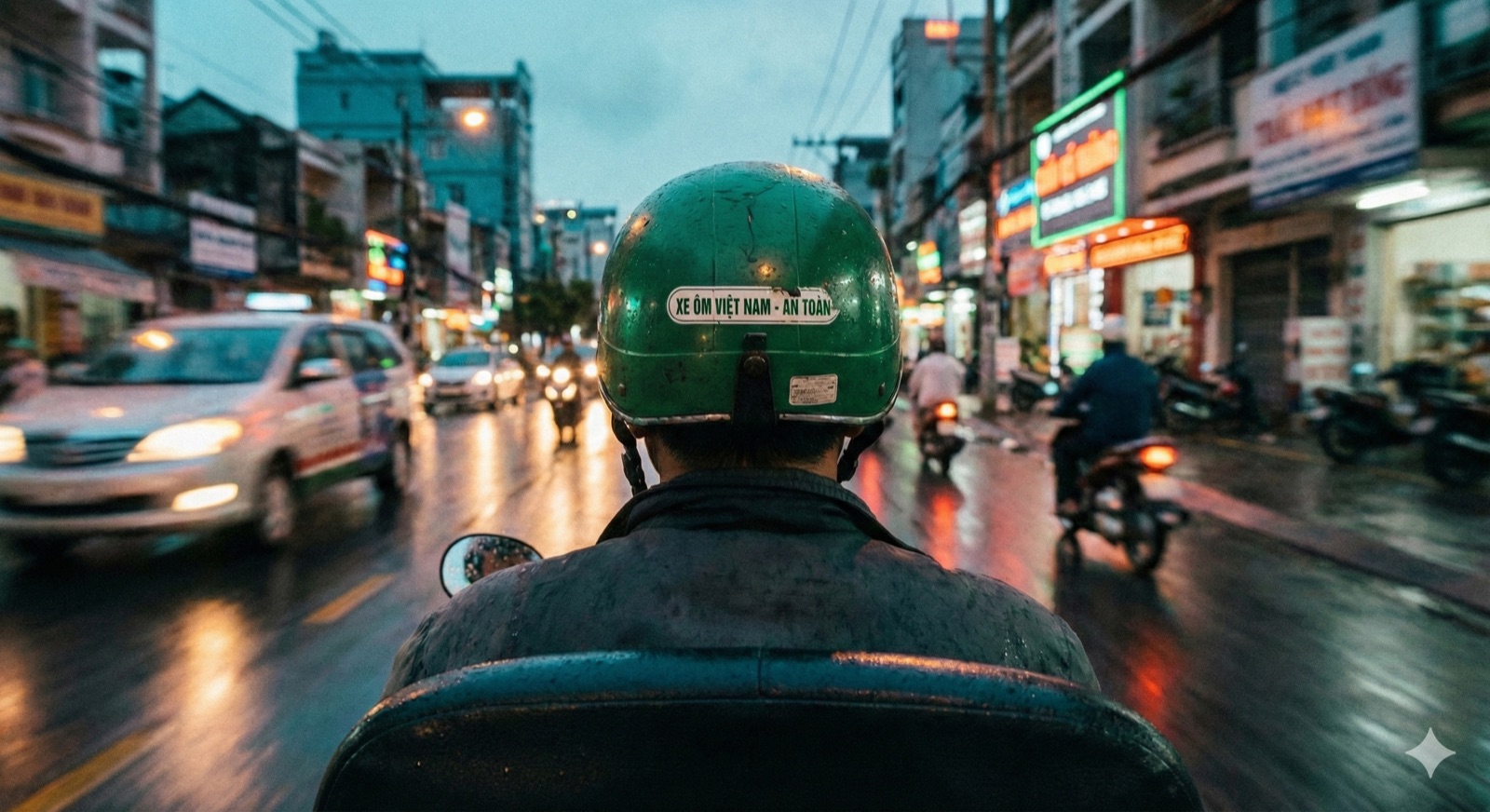
Think about the anxiety of getting into a taxi in a strange city. For decades, travellers worried about rigged meters or getting ripped off. Apps like Grab solved this problem. They provided transparency and fixed costs before the ride even started. That is what I want from Vietnam's Digital Public Infrastructure. It should verify that a tour operator is licensed. It should protect my mum from scams before we even book. It should instantly connect us to accredited hospitals if things go wrong.
We need the digital backbone to handle the logistics. This gives us the mental freedom to ignore the algorithm and follow the local recommendations.
Later this year, I will trust the App to get us into the city safely. But once we step out of the Grab? I am trusting my aunt who pulled the face.